Description
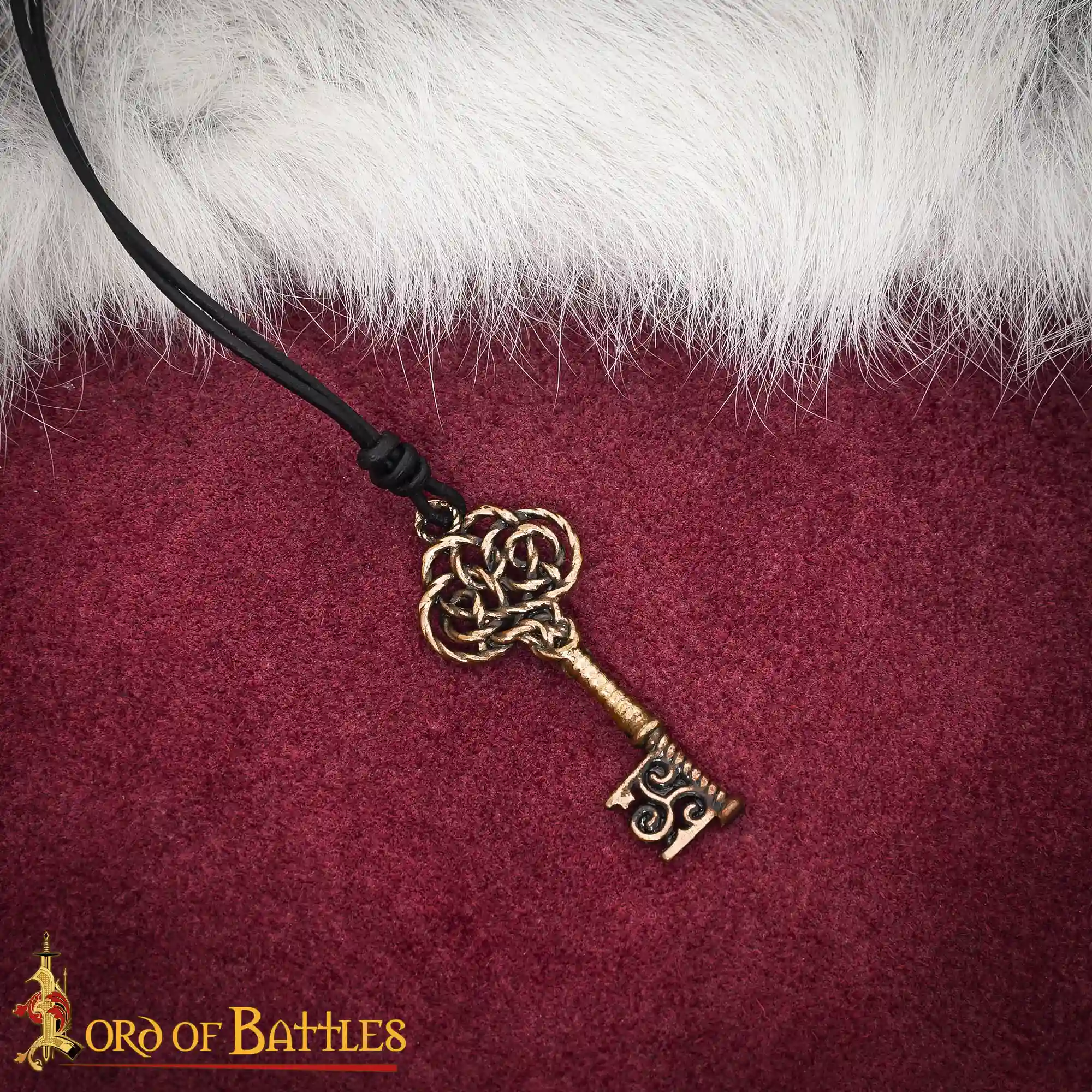
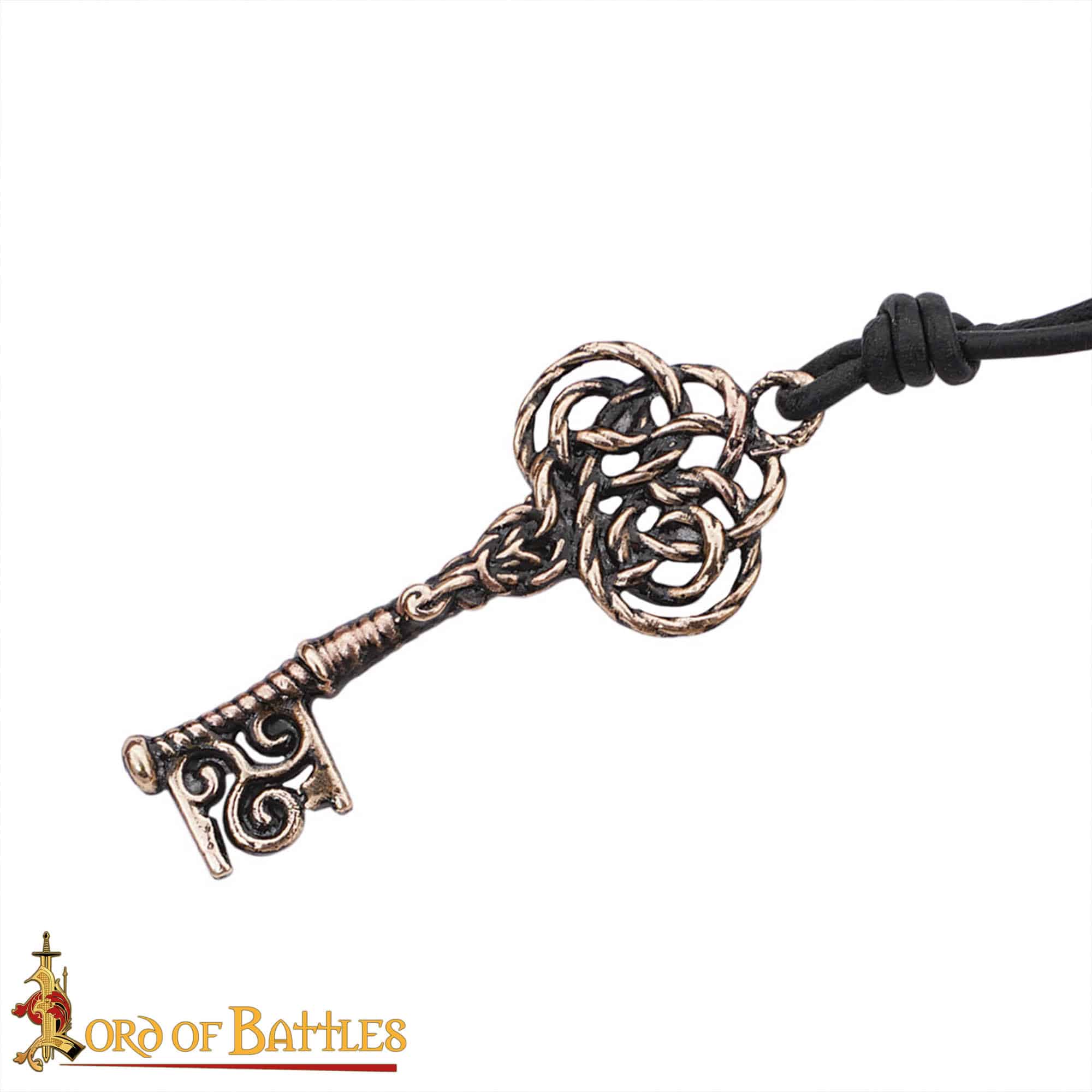
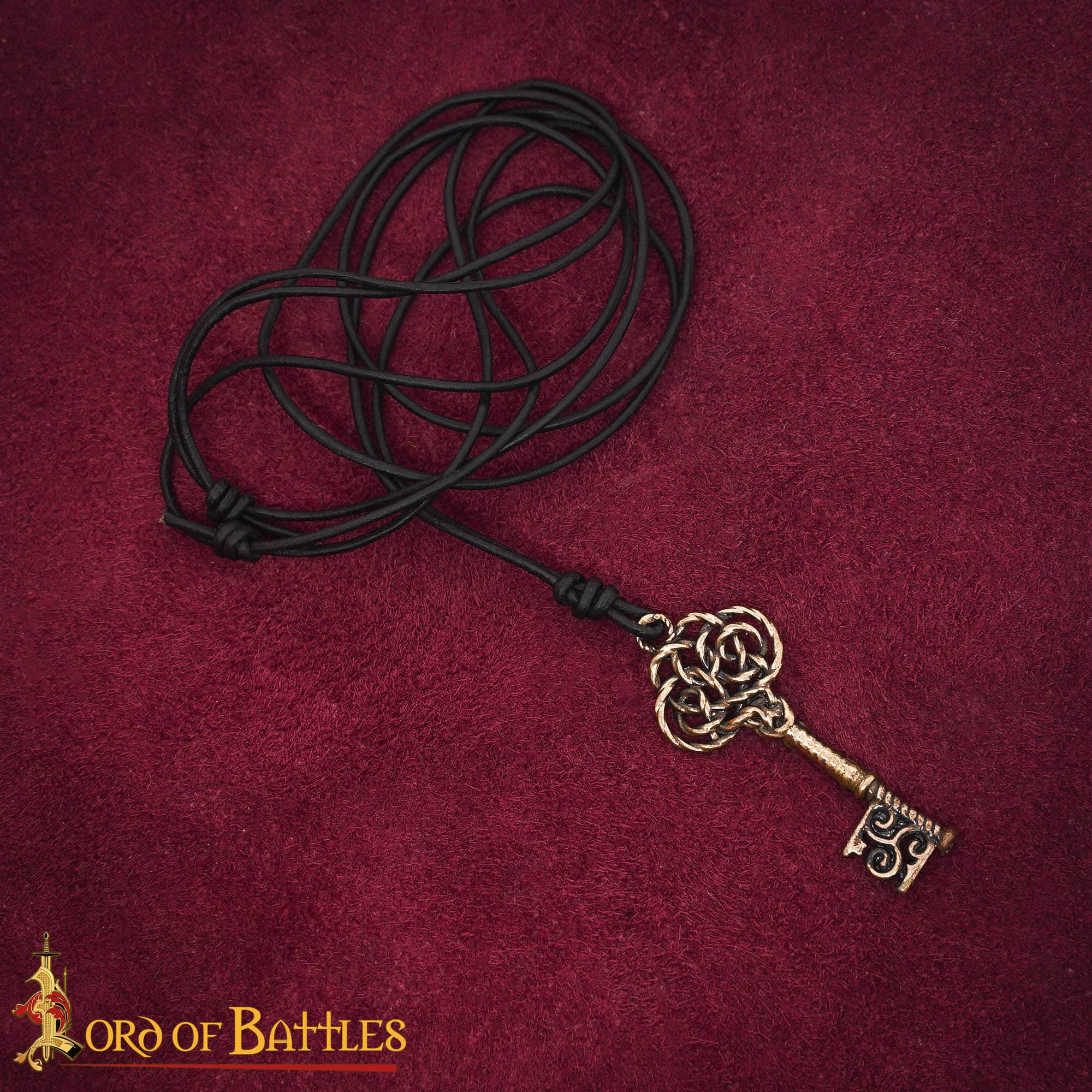
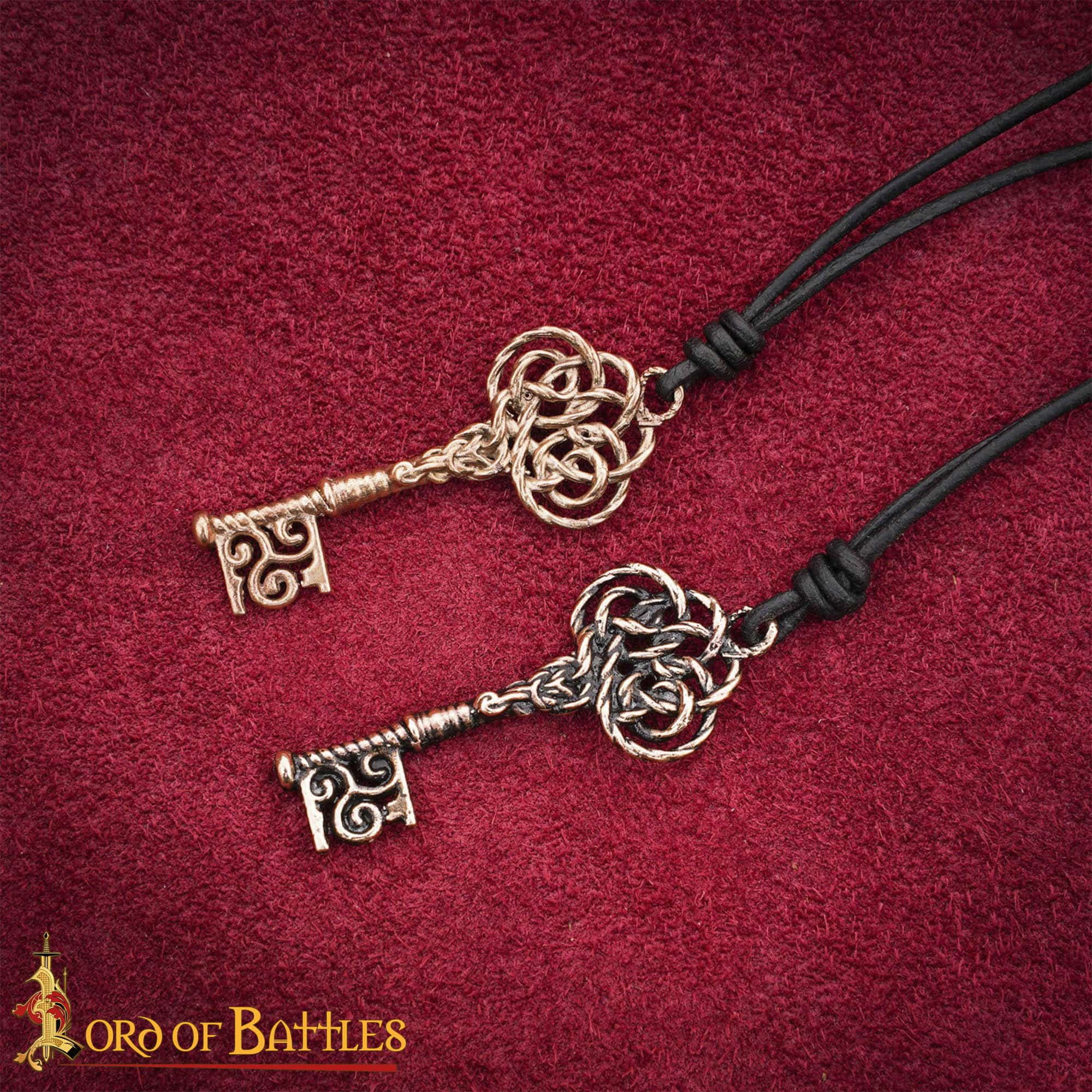
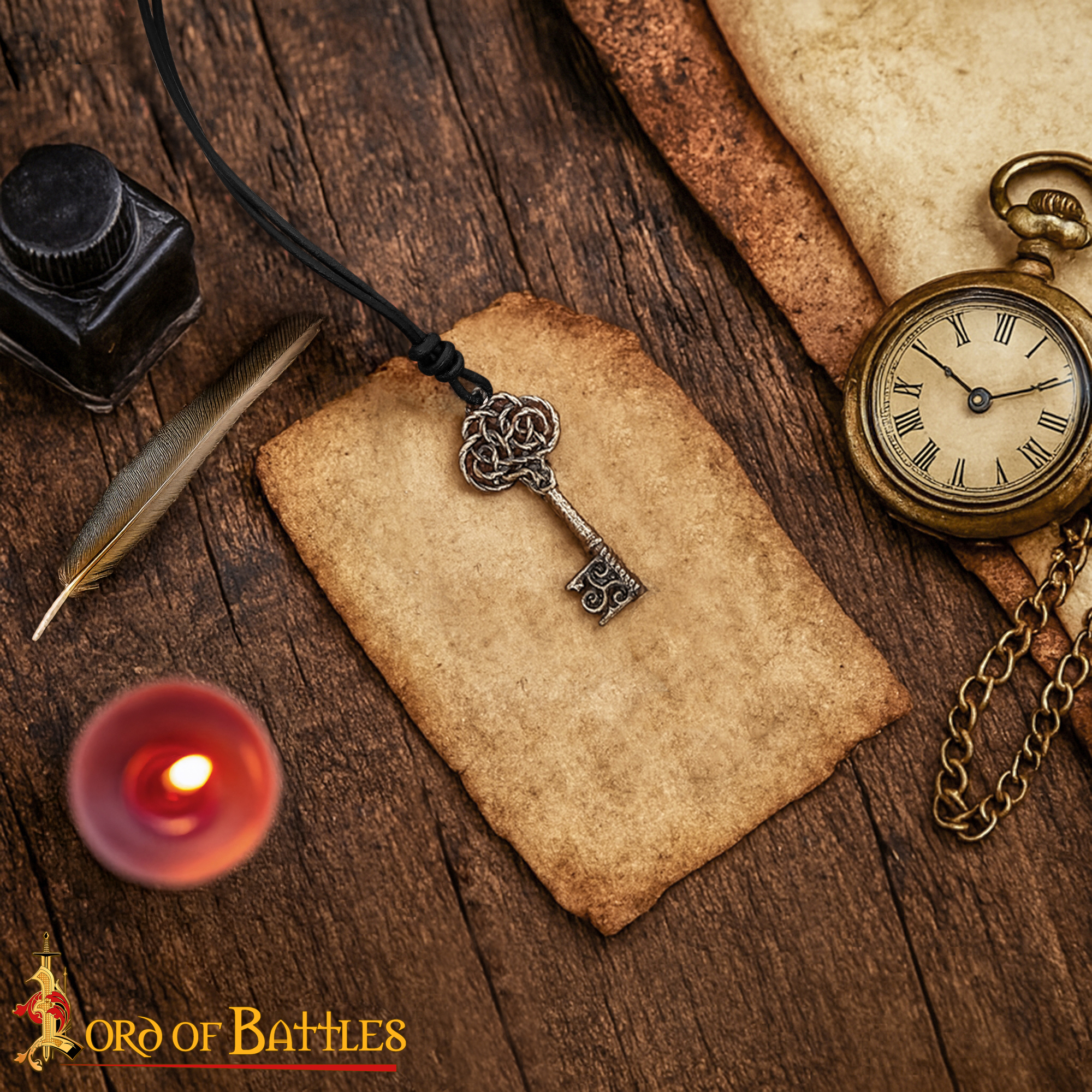
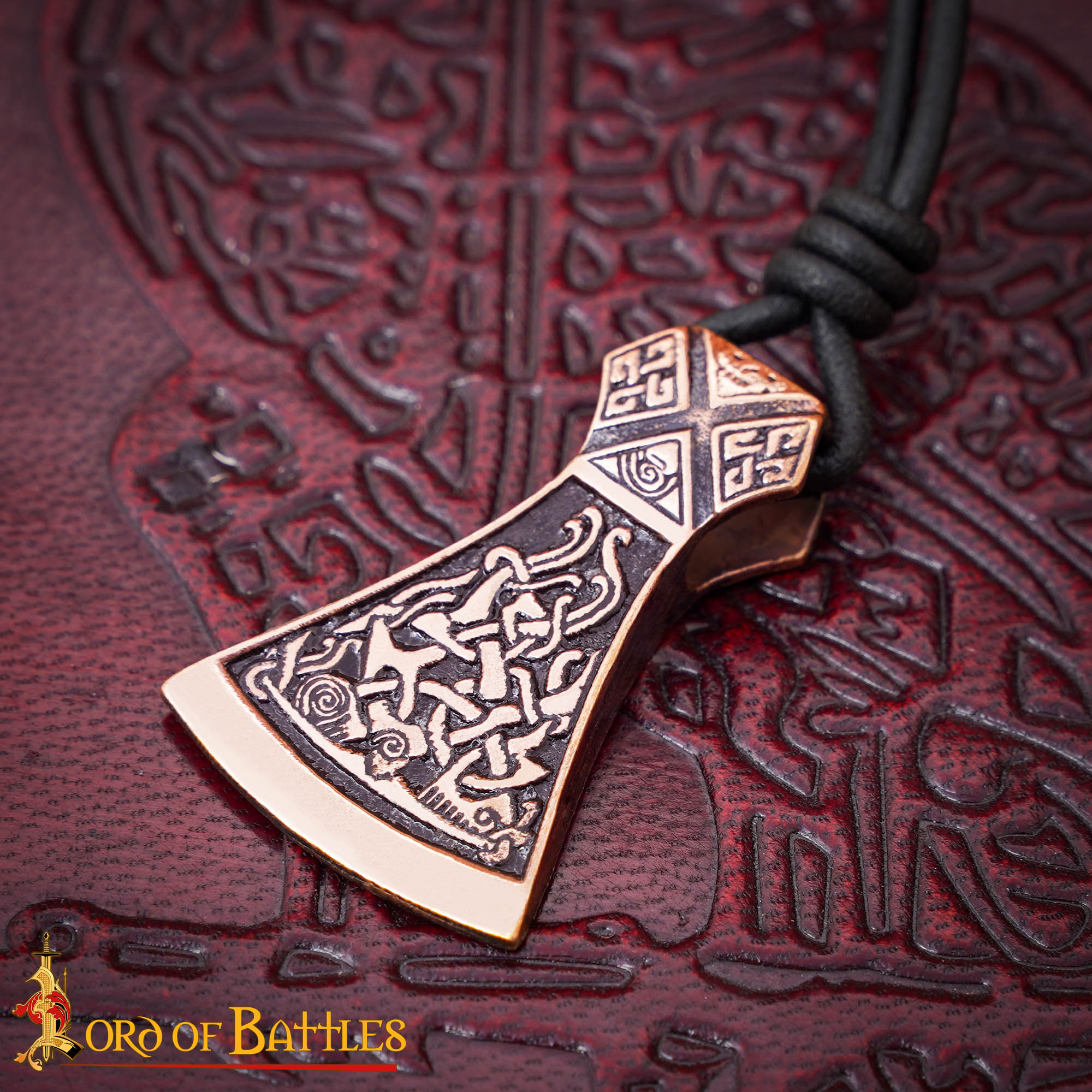
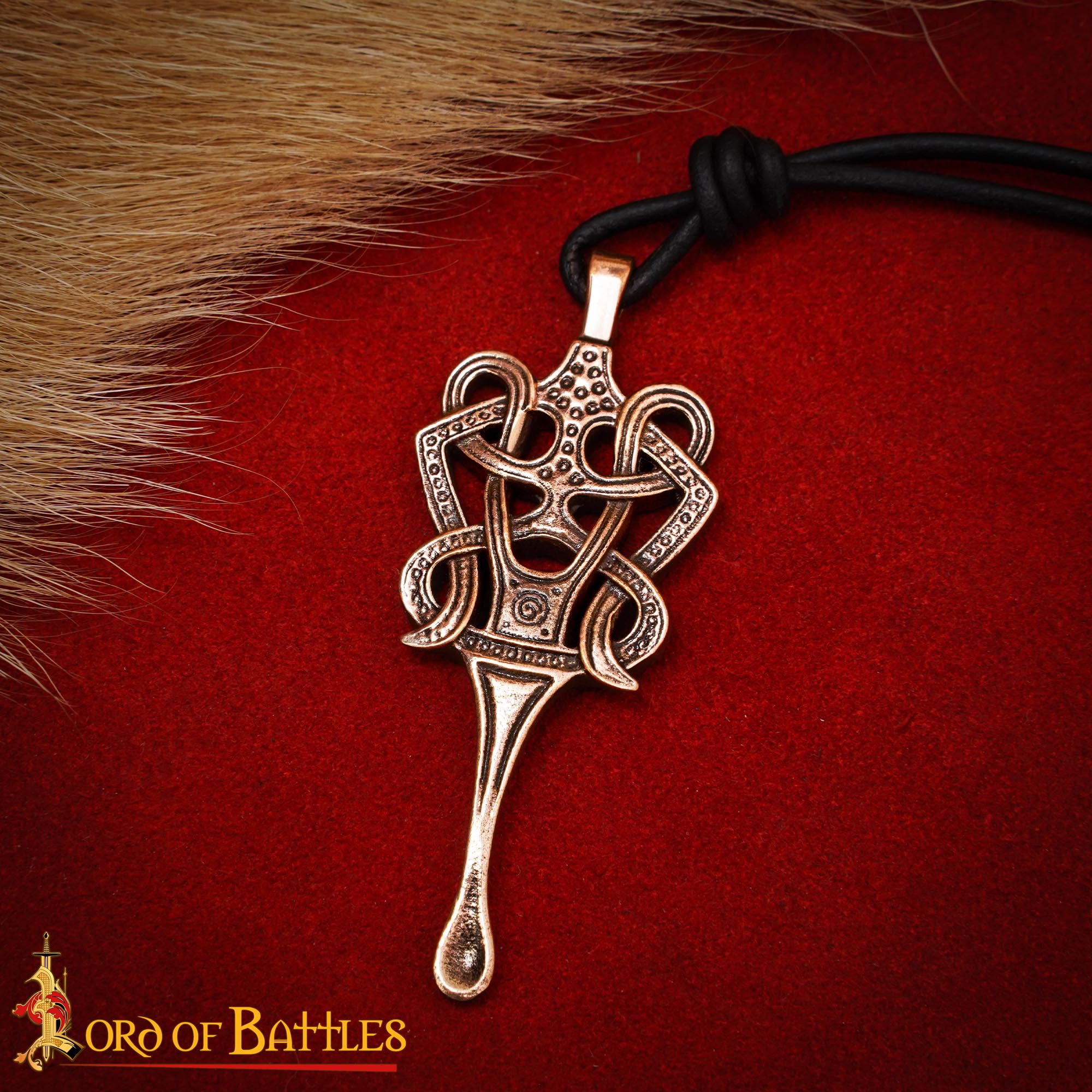
This solid lost wax cast bronze key pendant conjures the allure of mediaeval castles, castle cellars, and fortified apartments. Its design, inspired by late-medieval ornamental keys, is more than just symbolic; it recalls the craftsmanship used to protect treasured relics, secret scrolls, and hallowed sanctuaries.
Each item is cast utilising the old lost-wax method, resulting in tiny differences that impart a distinct artisanal character. The handle has a looped crown-like motif with a spiralled bit that resembles traditional ironwork design. Though beautiful, it has the appearance and feel of a functional medeval key, making it excellent for historically inspired jewellery.
Whether you wear it as a pendant, gift it as a charm of protection, or keep it as a relic of forgotten times, this key is forged to hold stories—not just open doors.
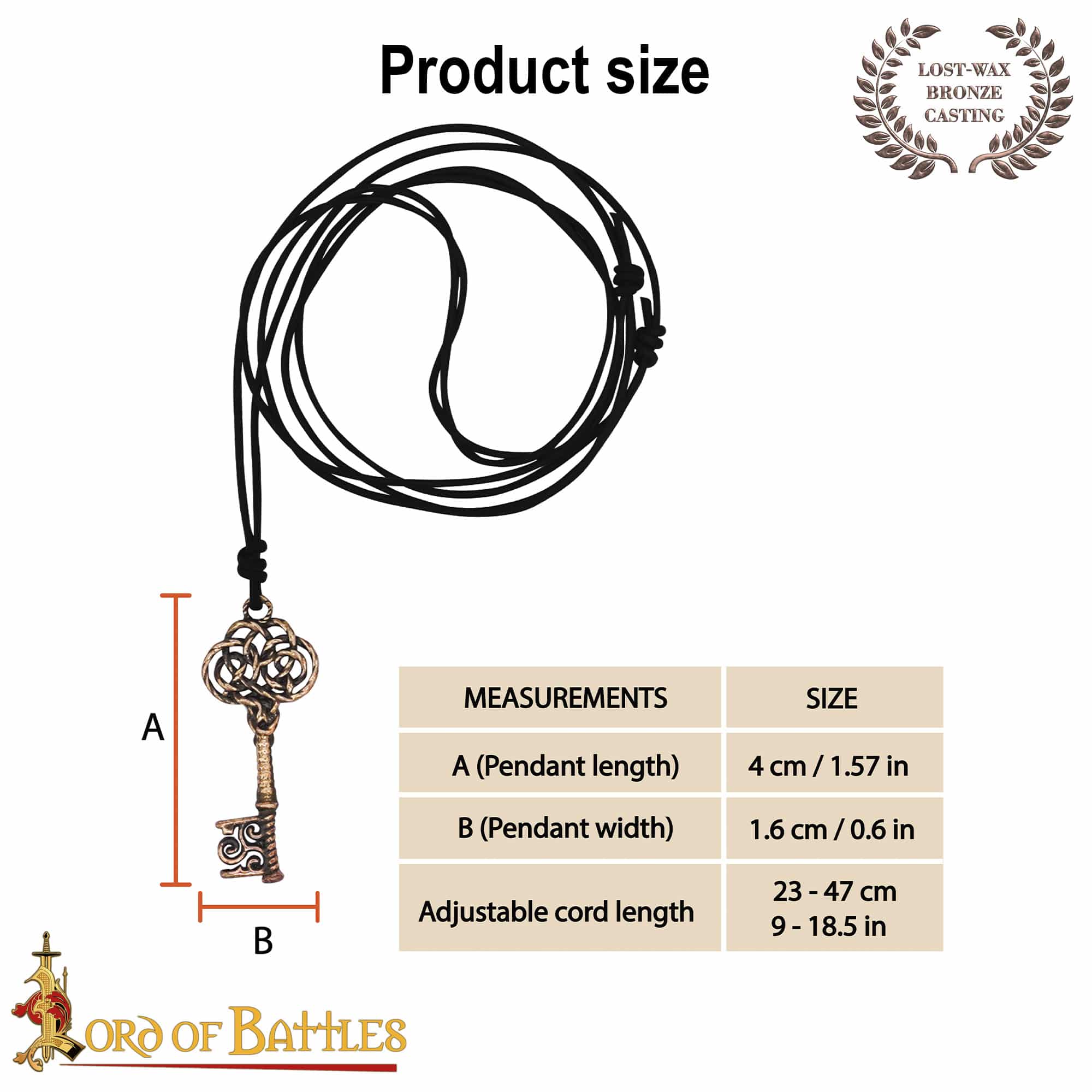
MEASUREMENTS:
• Total Length: 4 cm
• Width: ~1.5 cm
• Weight: Approx. 9–12 grams (each piece may vary slightly due to hand-casting)
CARE INSTRUCTIONS:
• Avoid moisture, perfumes, and harsh cleaning agents
• Gently polish with a dry cloth after use
• Store in a dry pouch or box to preserve the finish
NOTE ON BRONZE & CRAFTSMANSHIP
This pendant is individually crafted in solid bronze using the traditional lost-wax casting technique, a process practiced since antiquity for fine detailing and durability. Natural color variations and slight irregularities are part of its nature.