Description
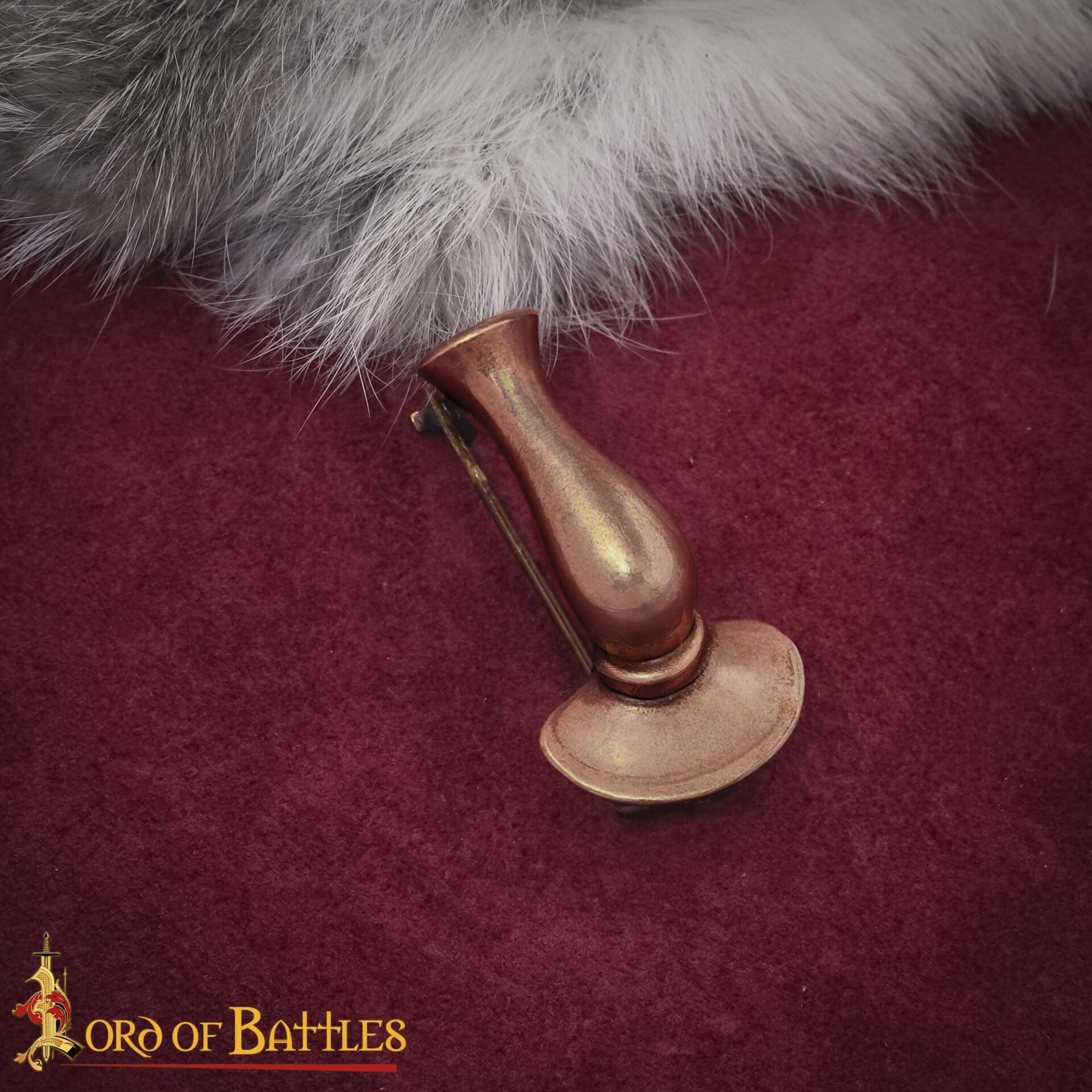
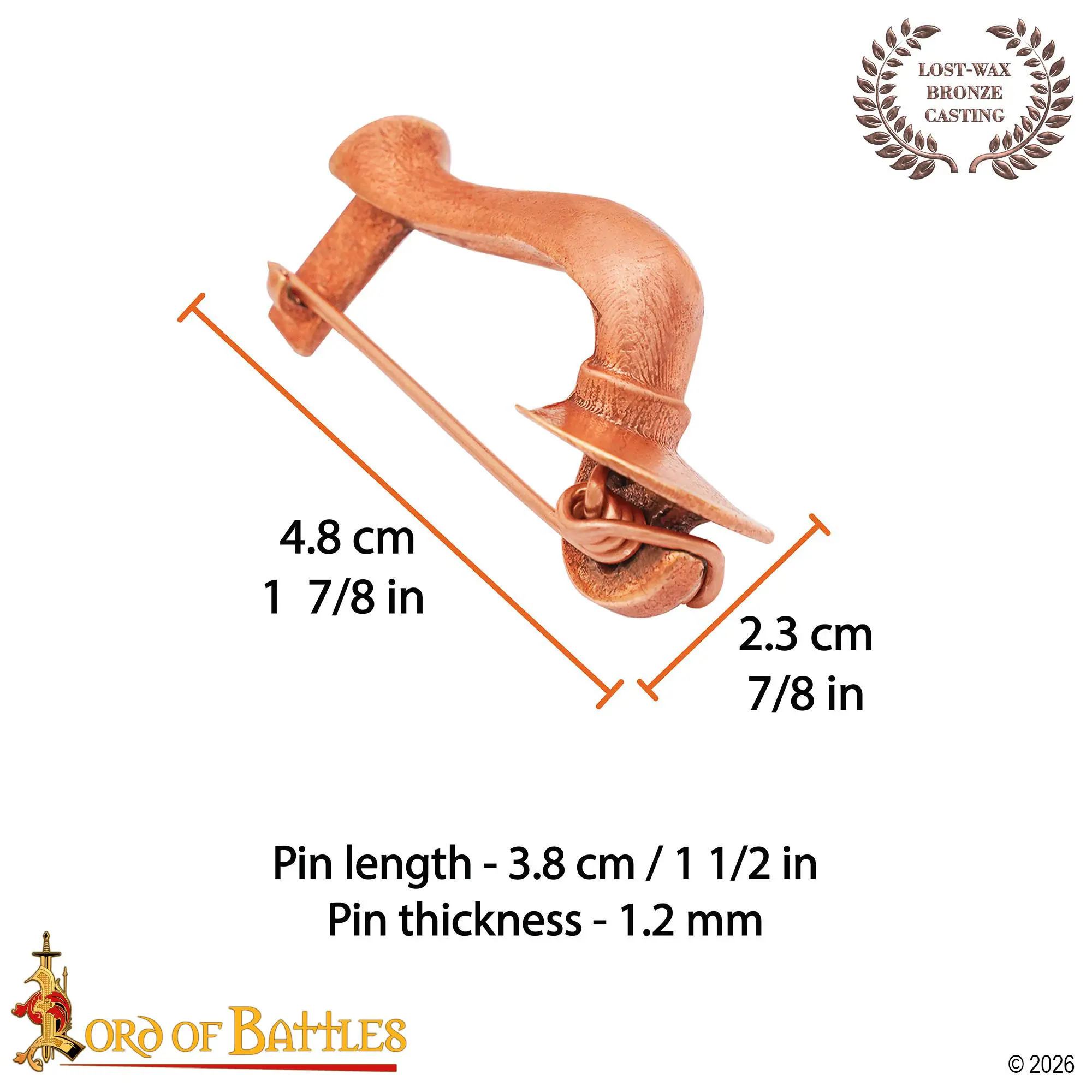
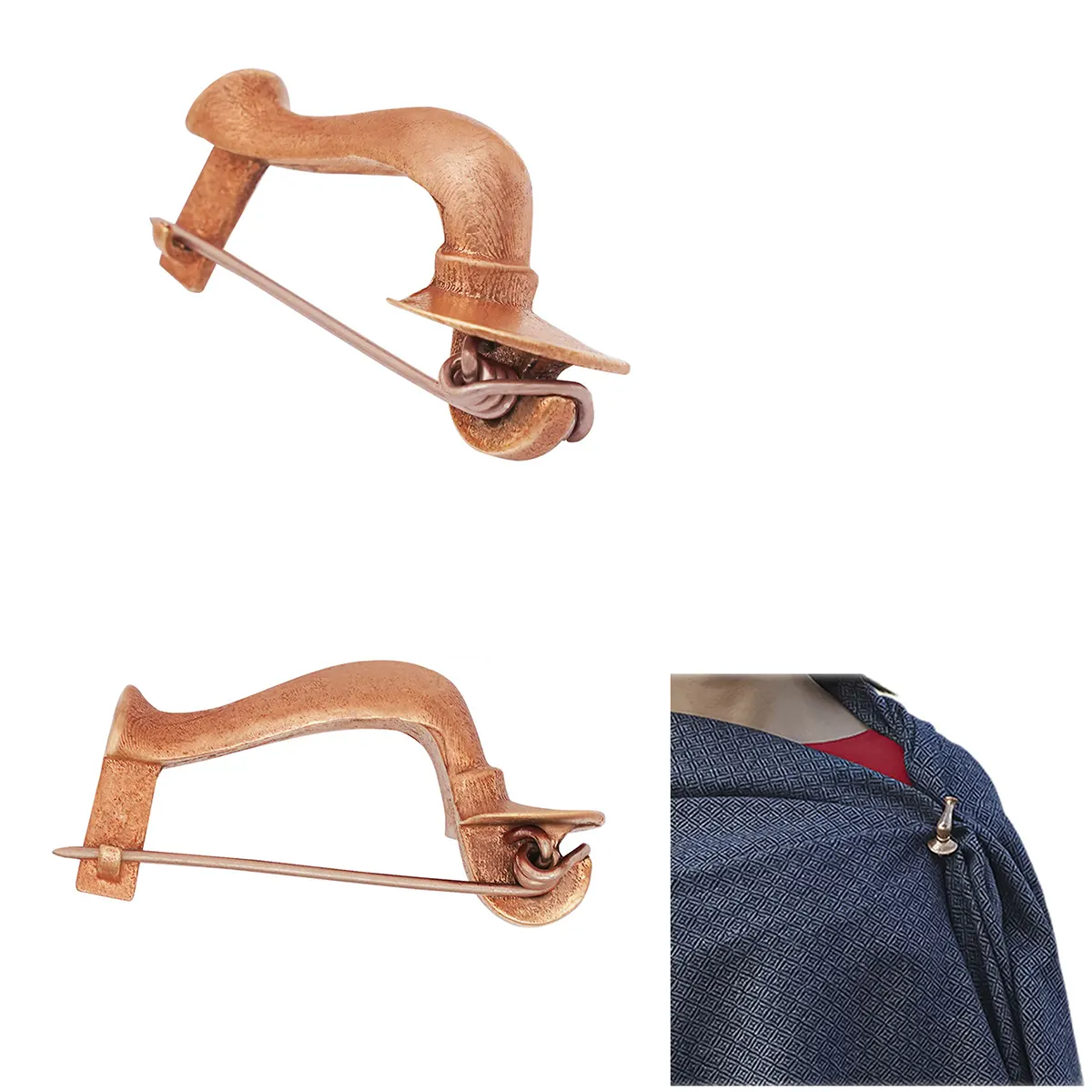
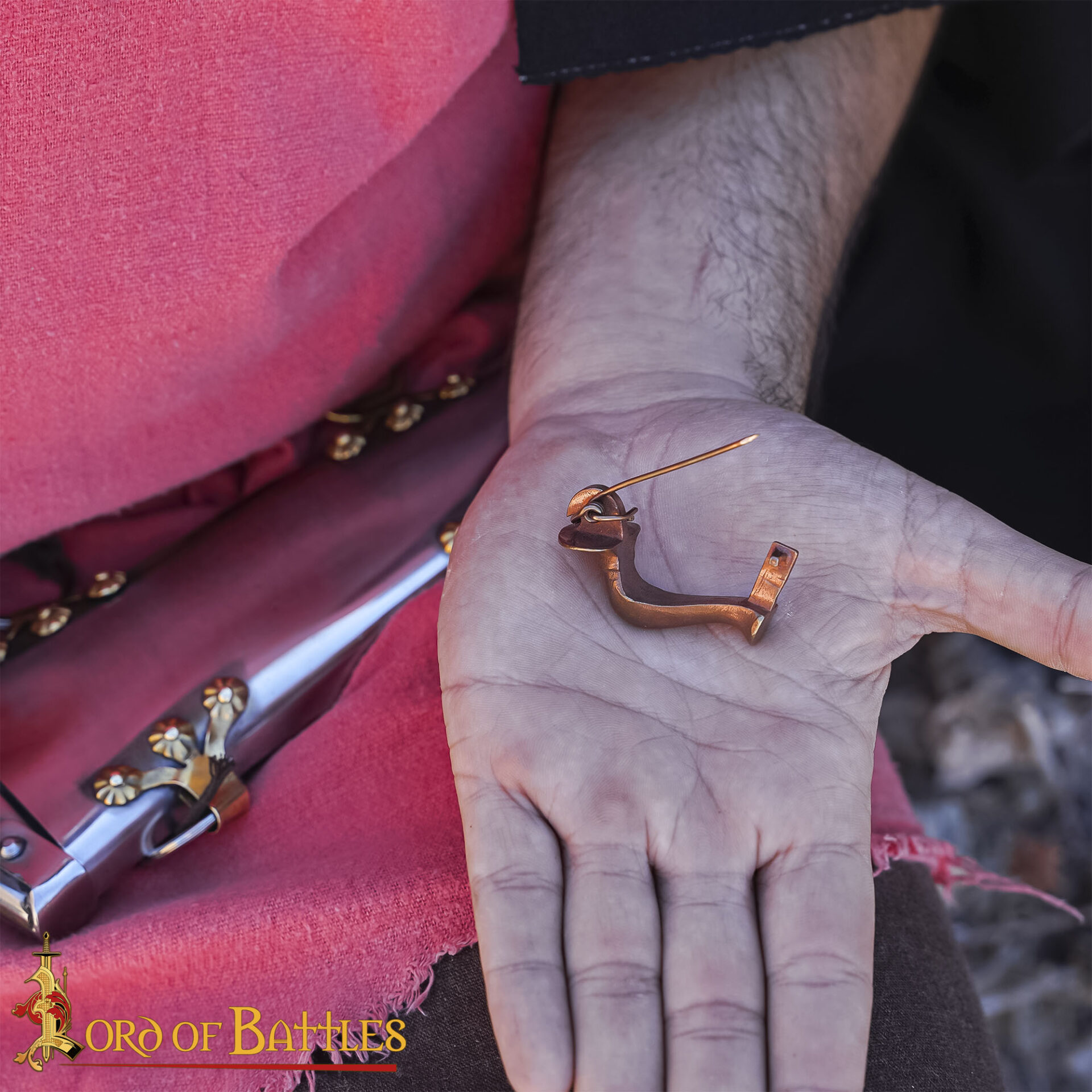
This bronze cloak pin is inspired by original Roman fibulae from the 1st–3rd century AD, a time where such fasteners were commonly used in the Roman Empire. This Roman fibula brooch has a curved bow and flared head, a commonly used shape seen in archaeological discoveries from Roman sites, settlements and burial finds across Europe.
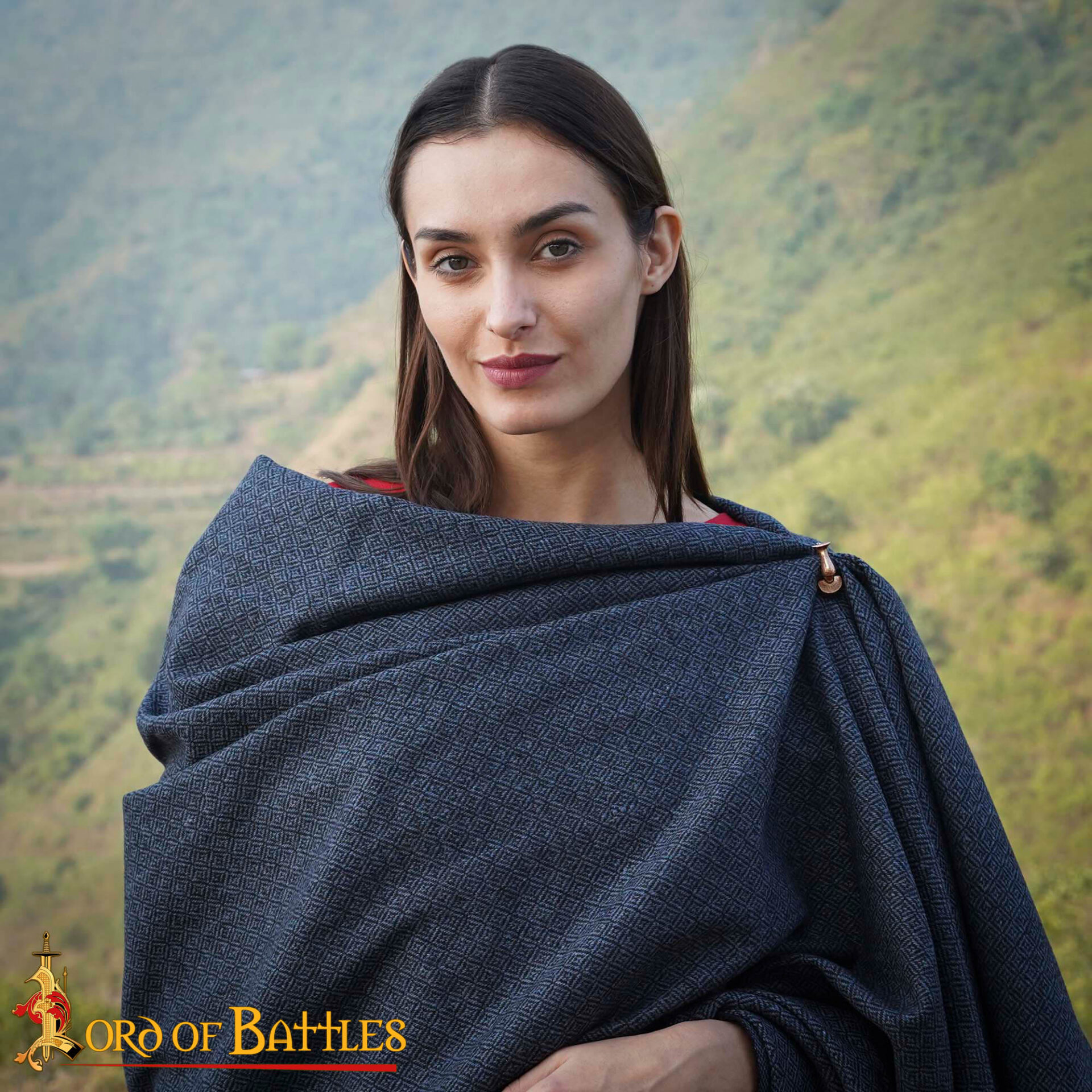
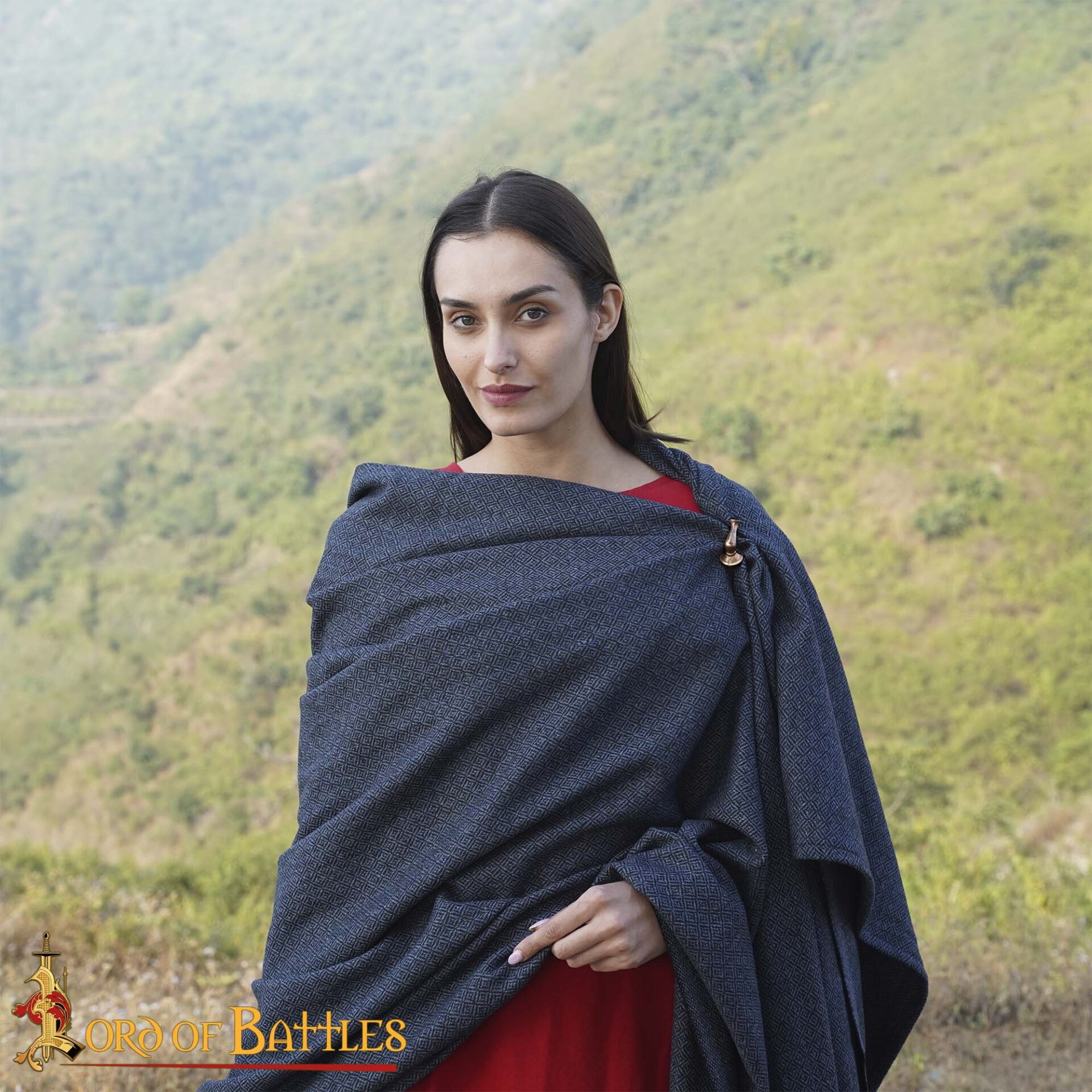
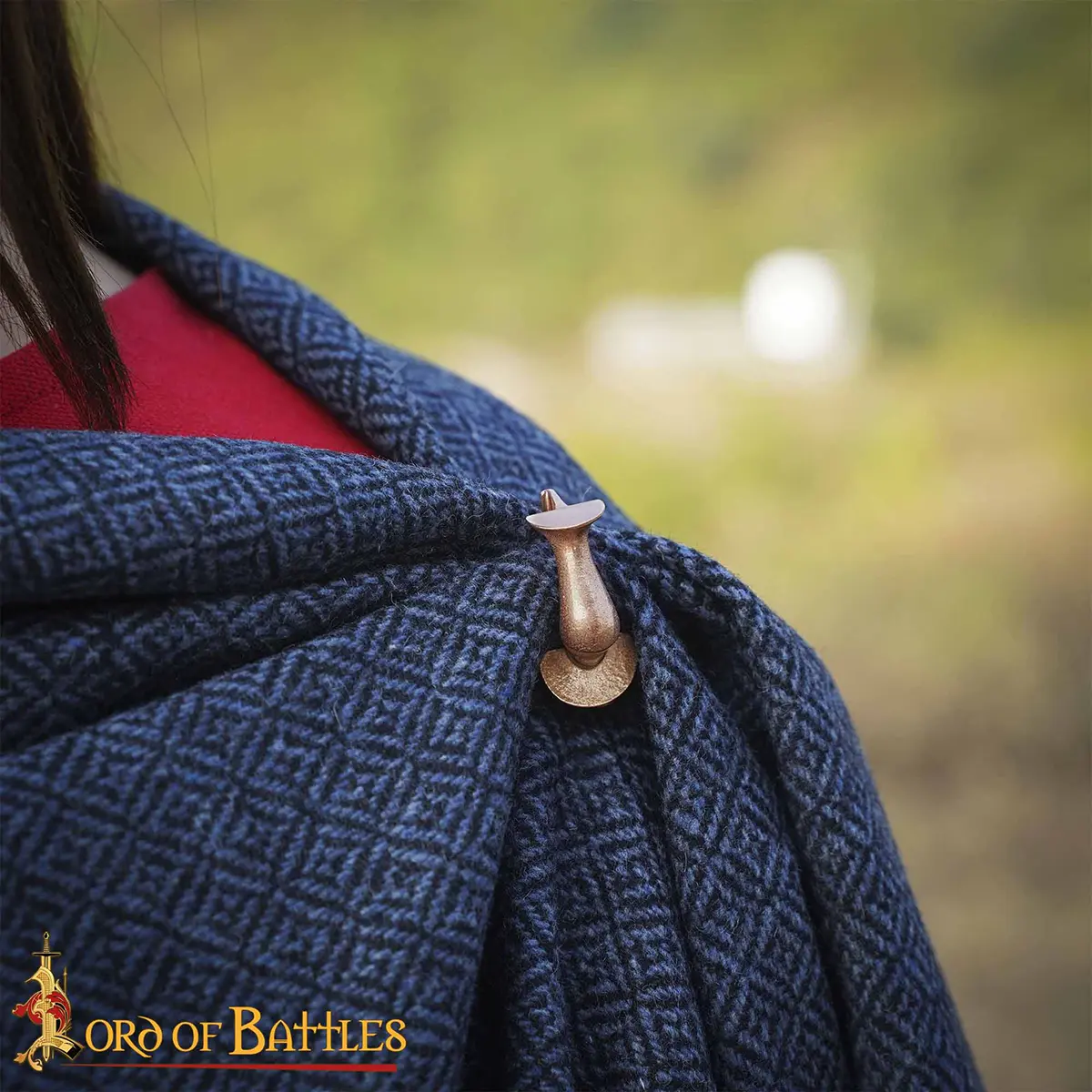
In Roman times, fibulae were used daily for fastening cloaks, tunic and robes. They were not only functional but the shapes made them decorative items as well. These even depicted the status and style of the people. These brooches used a sprung pin to hold heavy garments in place. This design later influenced what we now call the Medieval brooch, making fibulae an important link between Roman and medieval clothing accessories.
This brooch is made from the lost wax casting method from pure bronze. This was a technique used by Roman workers. A wax model is shaped first, then put in a mold. The wax is melted away and replaced with molten bronze, this helps in getting fine details and giving each piece its own character, this method helps in producing a properly detailed bronze brooch.
The brooch has a hand-wound spring and working pin, just like the originals. It is available in polished bronze or antique bronze finishes, and works perfectly as a fibula brooch, a functional brooch pin. This Roman fibula brooch is suitable for cloaks, shawls, tunics, museum displays etc.
CARE INSTRUCTIONS:
- Wipe with a soft, dry cloth after use
- Avoid chemical cleaners
- Store in cool, dry place
- Do not bend the pin or apply too much force
- Allow natural patina to develop over time, or polish as per choice.
Note: Each piece is individually made by wax casting. Differences in color, texture or surface are natural.
Q: What is a Roman fibula brooch used for?
A: It was used to fasten cloaks, tunics, and robes in ancient Roman times.
Q: What historical period is this fibula inspired by?
A: The design is inspired by Roman fibulae from the 1st to 3rd century AD.
Q: What material is this brooch made from?
A: It is made from solid bronze and made with lost-wax casting.
Q: Is this brooch functional or only decorative?
A: It is a fully functional brooch with a working pin and spring.
Q: How does this brooch fasten?
A: It uses a hand-wound spring and pin like the original Roman fibulae.
Q: What finishes are these in?
A: The brooch is available in polished bronze and antique bronze finishes.
Q: Is each brooch identical?
A: No. Each piece is individually made so surface differences should be expected.
Q: What types of clothing can this brooch be used with?
A: It is suitable for cloaks, shawls, tunics, robes and or costumes as needed.